
Listen to this episode on Apple Podcasts, Spotify, and wherever you listen to podcasts.
Living with type 1 diabetes means making countless decisions every day. But many of the policies that shape access to insulin, diabetes technology, education, and insurance are made far from everyday life. That can make advocacy feel intimidating or out of reach.
According to registered dietitian, diabetes care and education specialist, and longtime advocate Susan Weiner, it doesn’t have to be.
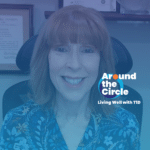
On a recent episode of Around the Circle: Living Well with T1D, Weiner shared why advocacy is more approachable than many people think and how anyone can get involved, whether they have five minutes or an entire day to dedicate.
Advocacy Starts with Your Experience
Many people assume advocacy means traveling to Washington, D.C., or becoming an expert in healthcare policy. Weiner says that’s one of the biggest misconceptions.
“The truth is that your lived experience and your story is what people remember,” she explained.
Throughout her career, advocacy has taken many forms. Sometimes it means helping an individual appeal an insurance denial or gain access to medical nutrition therapy. Other times it involves supporting legislation that improves access to diabetes care and education.
No matter the setting, the goal remains the same: helping people with diabetes receive the care and support they need.
What Advocacy Looks Like Behind the Scenes
Weiner recently participated in the Diabetes Patient Advocacy Coalition (DPAC) Community Hill Day in Washington, D.C., where advocates met with congressional staff to discuss issues affecting people living with diabetes.
Before meeting with lawmakers, participants completed training sessions, reviewed educational materials, practiced mock meetings, and worked together to determine who would speak about each issue.
The preparation reinforced an important point: you don’t have to be a policy expert to be an effective advocate.
Instead, advocates focused on sharing personal experiences and explaining how policies affect real people.
Some spoke about early type 1 diabetes screening. Others discussed insurance barriers, diabetes technology, or access to diabetes self-management education and medical nutrition therapy.
Those personal stories often created the strongest connections.
Personal Stories Make an Impact
During several meetings, congressional staff shared experiences involving family members or friends living with diabetes. Those conversations created opportunities to discuss why better access to education, technology, and diabetes care matters.
Rather than trying to cover every policy issue, advocates focused on a few meaningful messages supported by their own experiences.
As Weiner explained, people are far more likely to remember an authentic story than a list of facts.
That is true whether you’re speaking with elected officials, healthcare professionals, or members of your own community.
You Don’t Have to Go to Capitol Hill
Most people interested in advocacy will never attend a Hill Day, and that’s okay.
Weiner encourages people to start wherever they feel comfortable.
Some simple ways to get involved include:
- Signing up for advocacy action alerts from organizations like DPAC.
- Sending a pre-written email or letter to elected officials.
- Sharing advocacy updates on social media.
- Writing a letter to the editor of a local newspaper.
- Attending a local town hall meeting or community event.
Many advocacy organizations provide templates, talking points, and educational resources that make getting started easier.
Small actions may not seem significant on their own, but when thousands of people participate, they help move important conversations forward.
Authentic Is Better Than Perfect
One concern many people have is that they won’t know exactly what to say.
Weiner encourages people to let go of that pressure.
Rather than trying to sound polished, focus on being honest.
Your story does not need to include every detail of your diabetes journey. Share only what feels comfortable, and focus on the experiences that matter most to you.
If you’re preparing to speak during a meeting or community event, practicing your story can help you stay within time limits while still sounding natural.
The goal isn’t delivering a perfect speech. It’s helping others understand the real challenges people with diabetes face.
Find an Issue That Matters to You
Advocacy covers many different topics.
Some people are passionate about improving insulin access. Others care about diabetes technology, medical nutrition therapy, insurance coverage, or early screening for type 1 diabetes.
Weiner recommends exploring organizations that focus on the issues you care about most. Many national diabetes organizations have advocacy programs that offer updates, volunteer opportunities, and simple ways to participate.
Whether you prefer writing, speaking, organizing events, or supporting work behind the scenes, there is a place for every kind of advocate.
Every Voice Matters
Advocacy doesn’t require a large platform or years of experience.
It starts with one story, one email, one conversation, or one action.
As Weiner shared during the podcast, change happens when many individual voices come together around a common goal.
If you’ve ever thought, “I’m not really an advocate,” it may be time to rethink that.
Your experiences living with type 1 diabetes, or supporting someone who does, can help others better understand the challenges people face every day.
When more people share those experiences, meaningful change becomes possible.
At Blue Circle Health, we believe people with type 1 diabetes shouldn’t have to navigate those challenges alone. Through free clinical care, education, and support, we’re helping adults with T1D build confidence, overcome barriers, and access the care they need. If you’re looking for support in your own diabetes journey, we’re here to help. You can also share your story to help us build a movement and show that better care for people with type 1 diabetes is possible.