Listen to this episode on Apple Podcasts, Spotify, and wherever you listen to podcasts.
Living with type 1 diabetes can feel isolating.
Most people do not see the constant decisions happening behind the scenes, blood sugar checks, insulin dosing, food calculations, and adjustments throughout the day. Over time, that weight adds up.
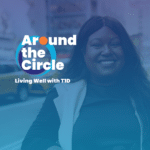
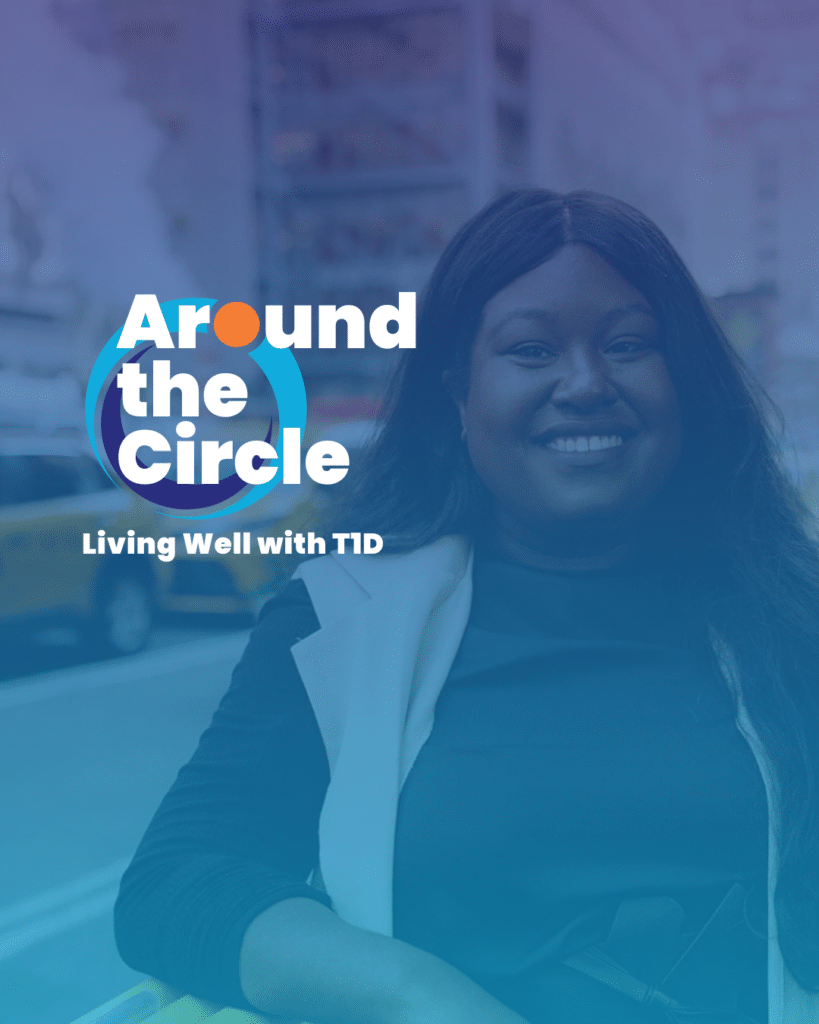
In a recent conversation on Around the Circle: Living Well With T1D, Scott Johnson, who has lived with type 1 diabetes for 45 years, spoke with Mila Clarke, a health coach and founder of the Glucose Guide community. Mila also lives with type 1 diabetes and shared how peer support changed her life.
A Delayed Diagnosis and the Power of Advocacy
Mila was first diagnosed with type 2 diabetes in her twenties. For four years, she struggled with high blood sugars and worsening symptoms. She was told to change her diet and exercise more. She was denied insulin and made to feel at fault.
After seeing multiple doctors and feeling discouraged, she was finally referred to a doctor who listened. A simple blood test revealed she had LADA (latent autoimmune diabetes in adults), a form of type 1 diabetes.
That moment brought relief and clarity. It also reinforced the importance of self advocacy and asking questions when something does not feel right.
Why Diabetes Feels So Isolating
Mila described two very different experiences.
With her type 2 diagnosis, she felt shame and blame.
With her LADA diagnosis, she felt supported and given tools.
No one living with diabetes deserves stigma. People need education, empathy, and practical support. Without that, it is easy to feel alone.
How Peer Support Changes Everything
Mila found connection through the online diabetes community. She joined conversations, read others’ stories, shared recipes, and slowly built relationships with people who understood daily life with diabetes.
A strong diabetes community has:
- A respectful, judgment free tone
- Active moderation
- Up to date information
- Space for different management styles
You do not have to post right away. “Lurking,” simply reading and learning, is a valid first step. Even one connection can reduce isolation.
You Do Not Have to Do This Alone
If you feel disconnected, start small:
- Ask your care team about local support groups
- Explore online type 1 diabetes communities
- Reach out to one person who shares your experience
Community and advocacy can reshape how you live with type 1 diabetes.
At Blue Circle Health, we believe people with type 1 diabetes should not have to fight for what they need to live. Learn more about our program or sign up for free at bluecirclehealth.org.