Listen to this episode on Apple Podcasts, Spotify, and wherever you listen to podcasts.
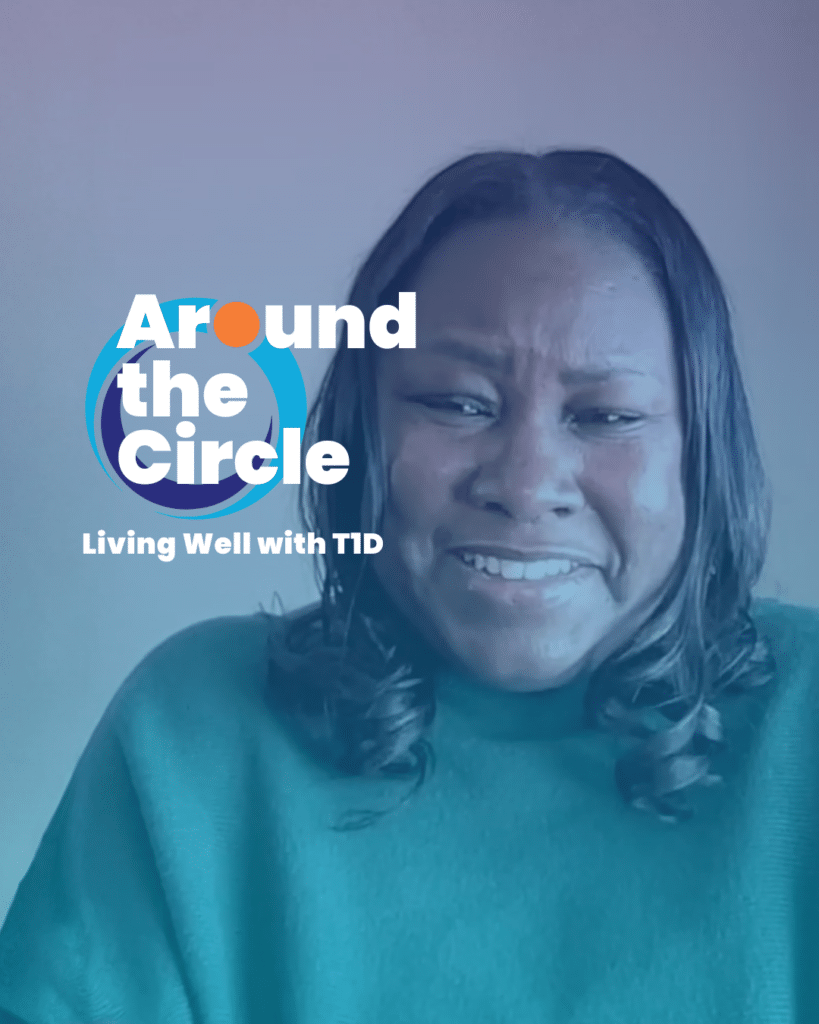
Keshia Cannon-Peak was diagnosed with type 1 diabetes in 1984 at just 11 years old. She remembers the extreme thirst, the hospital stay, and waking up to learn she would now need insulin to live.
At the time, there was limited education and few specialists in her state. Growing up in a small state like Delaware, she had limited access to endocrinologists. She had a supportive family and loyal friends, but not knowing anyone else living with type 1 diabetes, she often felt isolated. Over the years, she adapted. She transitioned from injections to insulin pump therapy in the 1990s. She embraced continuous glucose monitor technology. She researched on her own and stayed curious about advances in care.
Still, managing T1D remained a daily challenge.
Finding Blue Circle Health Online
About a year ago, Keshia was researching multiple daily injections while considering taking a break from pump therapy and found Blue Circle Health on social media.
A free, virtual program for adults with type 1 diabetes felt hard to believe. She was surprised to see health care providers who also live with T1D and appointments available in the evenings. She filled out the sign up form, quickly received a response and a phone call, and enrolled.
Real Support, Real Results
At first, she wondered how joining another program would affect her relationship with her endocrinologist.
She quickly learned that Blue Circle Health works as an extension of a patient’s existing healthcare team. Clinical notes are shared, communication stays open, and it’s a collaborative approach to care.
Within four months, Keshia’s A1C dropped from the 7 range into the low 6s.
Small changes made a measurable difference. For example, adjusting how she treated low blood sugars by using 4oz of apple juice at times instead of always using 8oz made a big difference. Her endocrinologist noticed the improvement, too.
Addressing the Mental Load of Type 1 Diabetes
For Keshia, one of the biggest shifts was emotional.
Living with type 1 diabetes means constant monitoring. It means worrying about overnight lows. It means navigating insurance approvals for medications that are required to stay alive.
Through Blue Circle Health, she learned it is okay to say she needs help and it is okay to admit when a day feels overwhelming.
That experience inspired her to return to school to pursue clinical mental health licensure to be able to support others living with diabetes and chronic illness.
You Do Not Have to Do This Alone
Today, Keshia continues to attend community events and use the tips she learned during her time in the program.
Her message to others is clear: You’re not alone. Stay educated, lean on the T1D community, and do the best you can.
Blue Circle Health offers a free, six-month virtual clinical care, education, and support program for adults with type 1 diabetes in select states. Learn more or sign up at bluecirclehealth.org and take the next step toward connected, confident care.